Lawyers today face pressures similar to those of the 1990s. Then as now, lawyers aren’t simply adopting a transformative new technology, but they’re facing changes in client expectations, intensified pressure on the billable hour, and a new table-stakes selling point for clients and recruits.
Let’s go back to the 90s. Lawyers relied on secretaries for word processing, often transcribing from a dictaphone or hand-written pages.
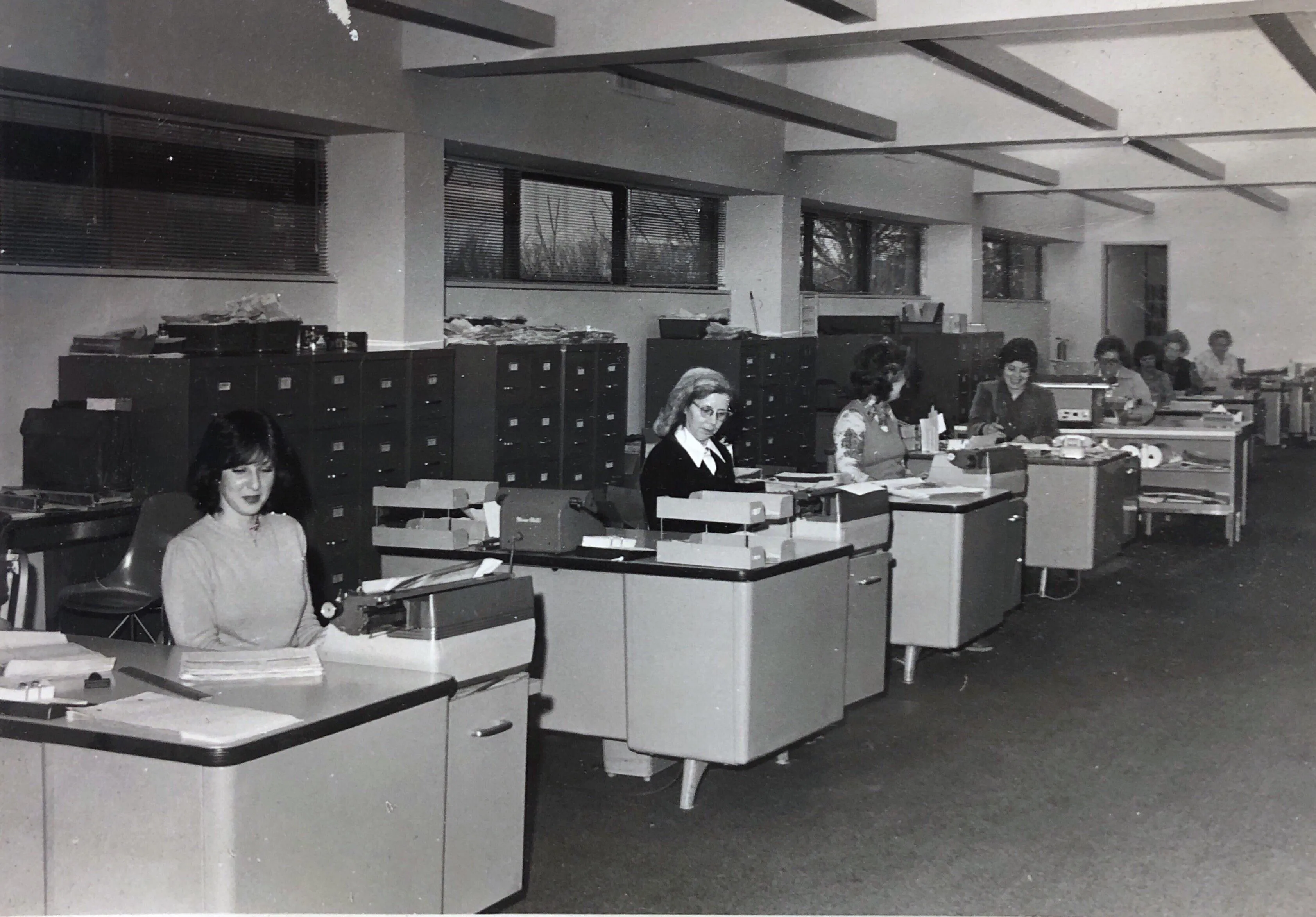
Then personal computers and word processing software landed on lawyers’ desks. If lawyers could type, there was no longer a secretarial bottleneck to producing written work product.
It wasn’t easy. Lawyers attended typing bootcamps, vendor trainings, and bar association courses. They were coached by the in-house secretaries themselves. They learned to do their own formatting and spell-checking.
Over time, it became clear that what was previously the domain of secretaries now became a required task for lawyers. More than that, it became an edge: typing speed directly correlated to turnaround time and volume of matters a firm could carry.
The ripple effects followed. Clients’ expectations for turnaround time increased. Firms invested in tech adoption out of terror of losing clients to more agile competitors. Law school graduates arrived in the job market expecting to use computers and word processing they had learned in school. Firms built around the old structure became the slow ones. Firms that thrived adapted on three fronts at once: the technology, cultural change, and billing.
Fast forward to today. AI accelerates the speed of drafting and producing pages. Clients, especially in high-growth industries, already expect their firms to use it. Junior and summer associates are seeking permission to run their projects through it. And the billable hour is under pressure again.
In June this year, Thomson Reuters found that 32% of corporate clients “have either already reconsidered their relationships with firms they feel are falling behind, or plan to do so within the next 12 months.”
So choose to be one of the firms that thrives. The 90s playbook still works.
Start by measuring changes so you can proactively adjust client expectations. Onboard the tools. Train your team on the skills that matter, like prompting and output validation. Build practices for sharing the prompts and processes that work. And make this a required skill, not an optional one.
The firms that learned to type didn’t just keep up. They set the pace everyone else had to match.